Stripe
Stripe · 2026
Stripe.com is the gold standard of tech marketing websites — a masterclass in gradient systems, typographic hierarchy, and information density without visual clutter. It sets the bar that every fintech competitor aspires to. The design challenge: can we capture and deconstruct a site this sophisticated, preserve its visual fidelity at 90%+ accuracy, and demonstrate deep fluency in enterprise-grade design systems?



Design System Analysis
Stripe’s visual identity is built on a restrained but deeply considered foundation. The primary typeface, Sohne, carries the entire typographic hierarchy — from the 72px hero headline down to 14px body copy — with weight and spacing doing the work that lesser sites delegate to font variety. The color system anchors on a midnight navy (#0A2540) for text and their signature purple (#635BFF) for interactive elements, layered over a clean white canvas that gives every gradient room to breathe.
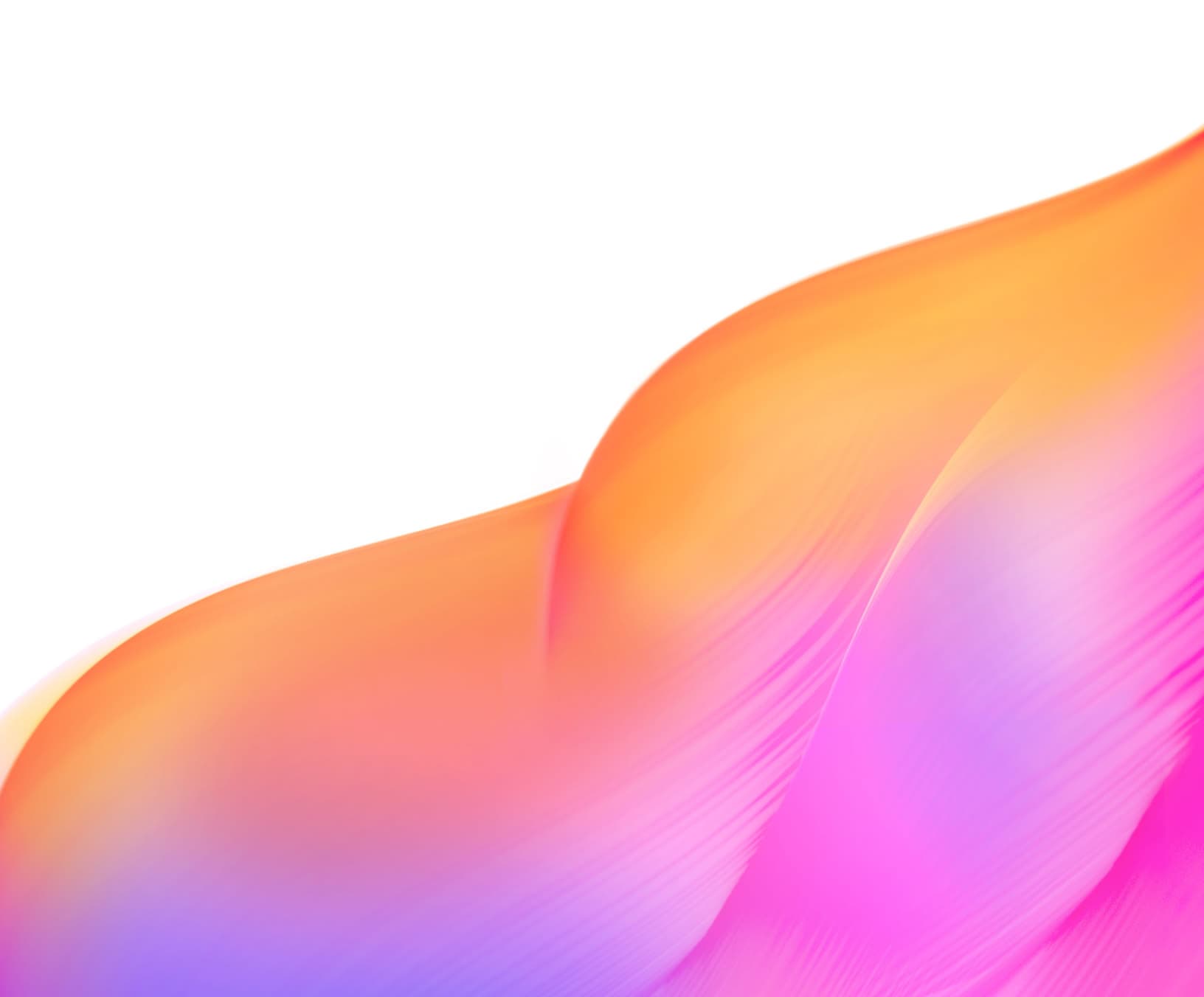
What makes Stripe’s design system exceptional is the gradient architecture. The hero section alone uses a multi-stop mesh gradient that blends purple, pink, orange, and cyan across a dark canvas — a technique that feels organic despite being mathematically precise. Throughout the page, over 250 unique color values work together: subtle blue-tinted grays for secondary text, purple-to-pink gradients for CTAs, and carefully tuned semi-transparent overlays that create depth without opacity artifacts. The whitespace philosophy is equally deliberate — generous section padding, consistent 8px grid alignment, and a rhythm of dense information blocks followed by breathing room that guides the eye without fatigue.



Technical Approach
Our automated pipeline used Playwright to render the full JavaScript-driven page, executing scroll sequences to trigger lazy-loaded images and intersection observer animations. The capture phase extracted the complete DOM after hydration, logged every network request, and snapshotted CSS custom properties that Stripe sets at runtime through JavaScript — values that don’t exist in static stylesheets. We downloaded 72 assets in parallel across 12 workers, resolved all srcset responsive images to local paths, and extracted 181 inline SVGs as individual files.
The static rebuild phase embedded all CSS directly, rewrote every asset URL to local paths, and stripped JavaScript while preserving the visual structure. The main challenges were the WebGL canvas hero animation — replaced with Stripe’s own static fallback image — and scroll-triggered GSAP animations that we neutralized by removing transform offsets above 50px while preserving centering transforms. The final static copy captures approximately 90% of the visual appearance: all images, fonts, colors, gradients, and layout are pixel-accurate. The remaining 10% is JS-driven interactivity — navigation dropdowns, accordion expansions, counter animations, and the hero wave — which is expected for a static capture and validates our understanding of where design ends and engineering begins.

We built an automated capture pipeline that rendered the full Stripe homepage through a headless browser, scrolled to trigger every lazy-loaded asset, and downloaded 174 assets — 61 images, 198 inline SVGs, 2 webfonts, and 8 stylesheets — totaling 33 MB. The result is a static rebuild that preserves Stripe’s layout, color system, and typographic precision down to the CSS variable level.